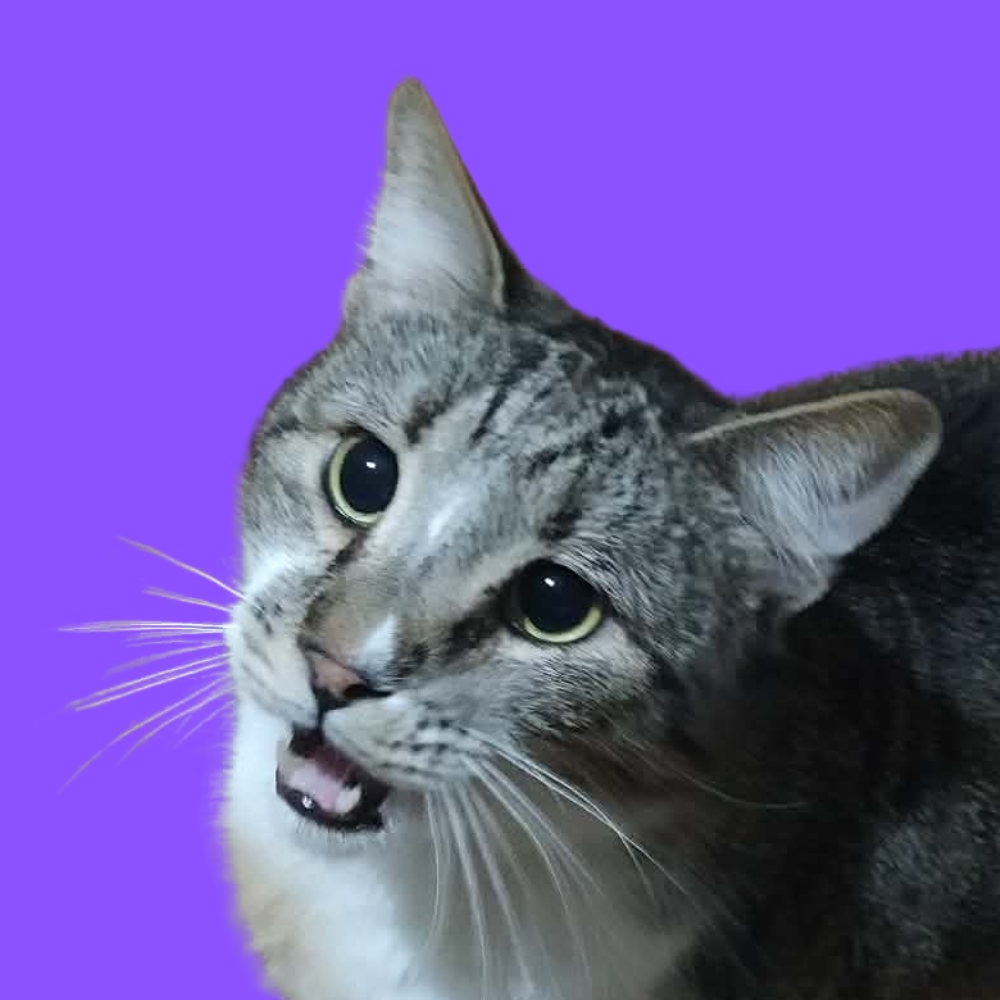
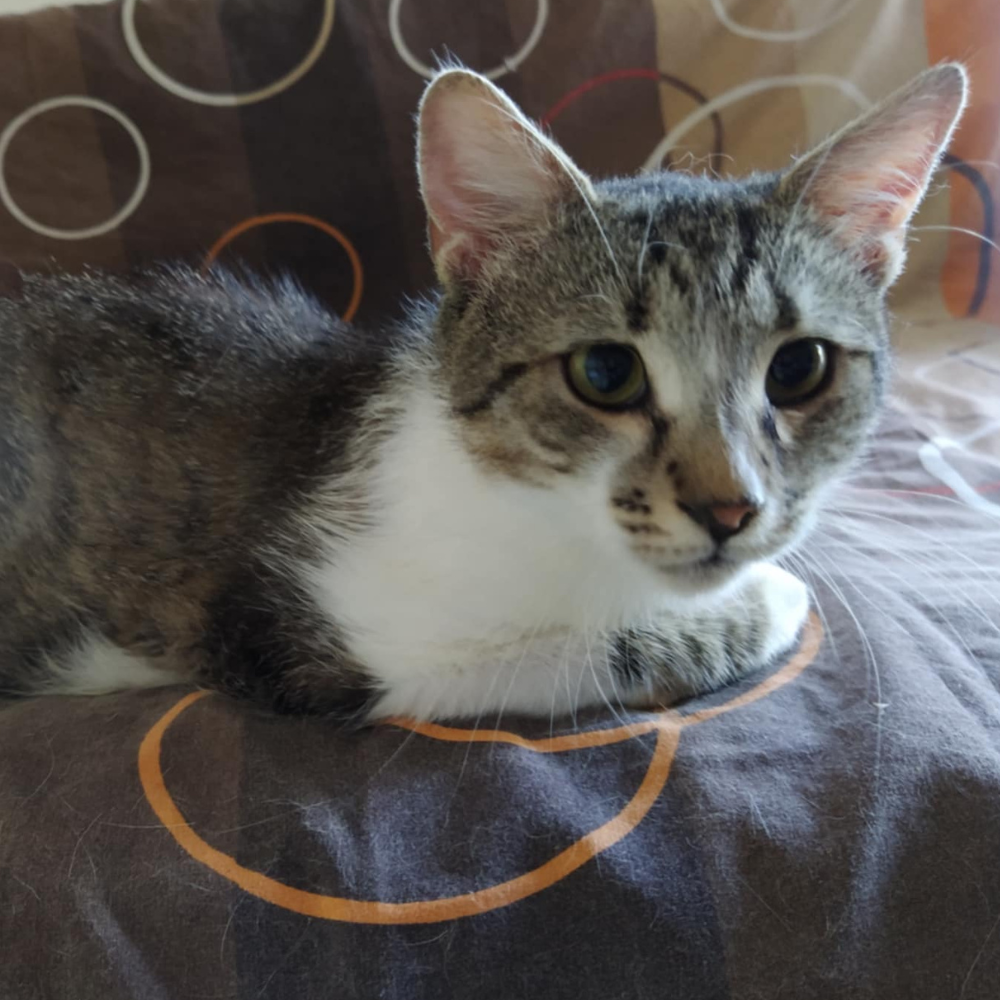
Description
Winston’s story is both heartbreaking and remarkable. At some point in his young life, he developed FIP, a disease that was once considered almost always fatal in cats. Thankfully, Winston received treatment and survived, something that would have been impossible for many cats only a few years ago. However, the neurological effects of the disease left permanent damage to the nerves controlling his bladder and bowel function.
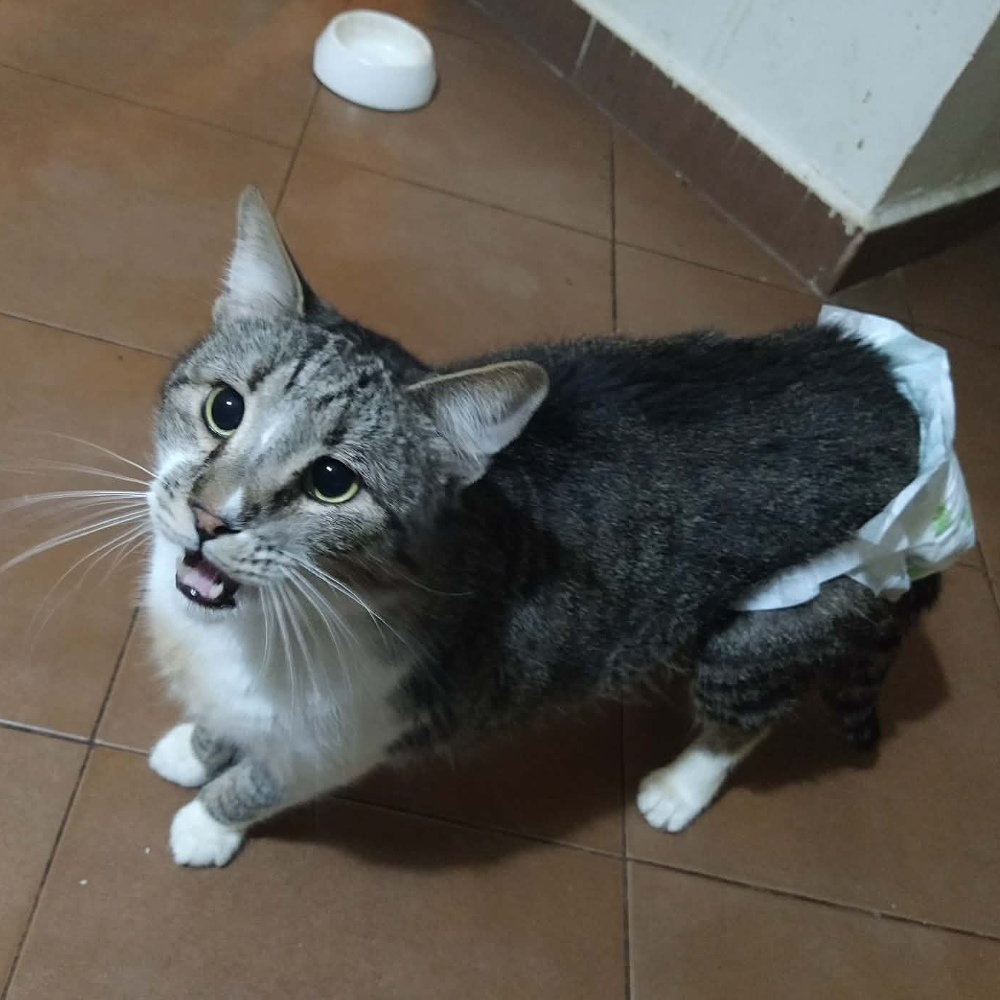
As a result, Winston is incontinent and requires nappies full time.
Importantly, this does not mean he is paralysed or unable to enjoy life. Winston can still walk normally, move around independently, climb, interact, cuddle, and behave like a completely normal cat in almost every other way. The neurological damage specifically affects his ability to control urination and defecation rather than his mobility.
He has lived with this condition long enough now that wearing nappies has simply become part of his routine. He tolerates them very well and does not appear distressed or frustrated by them. Cats are often far more adaptable than people expect and Winston has adjusted impressively to the care he requires.
His future home would need adopters who understand that caring for him involves regular nappy changes, monitoring skin cleanliness, and maintaining a good hygiene routine to keep him comfortable and healthy. While this sounds intimidating at first, many people who care for special needs animals eventually find the routine becomes very manageable and simply part of daily life.
Emotionally, Winston is an incredibly sweet and affectionate cat. He loves cuddles, seeks comfort from humans, and has remained emotionally open despite everything his body has been through. There is something especially moving about animals like him because they do not spend their lives focused on what they cannot do. Winston simply continues living, loving, and enjoying the world around him.
He is also excellent with other cats and settles very naturally into feline company. His calm and gentle personality makes him a lovely presence around other animals.
Because his condition resulted from neurological damage caused by FIP rather than an active disease process, Winston himself is no longer “sick” with FIP. He survived it. What remains are lifelong neurological after effects that require supportive management rather than ongoing intensive treatment.
At only three years old, Winston still has so much life ahead of him. Cats with disabilities are so often overlooked because people become frightened by the responsibility involved, yet many special needs animals offer extraordinary levels of trust, affection, and emotional connection in return for proper care.
What Winston truly deserves now is not pity, but stability. A calm, loving home where his condition is simply accepted as one small part of who he is rather than the only thing people see when they look at him.
Underneath the nappies and medical history is simply a cuddly, loving boy who survived something devastating and still remained gentle afterwards.